

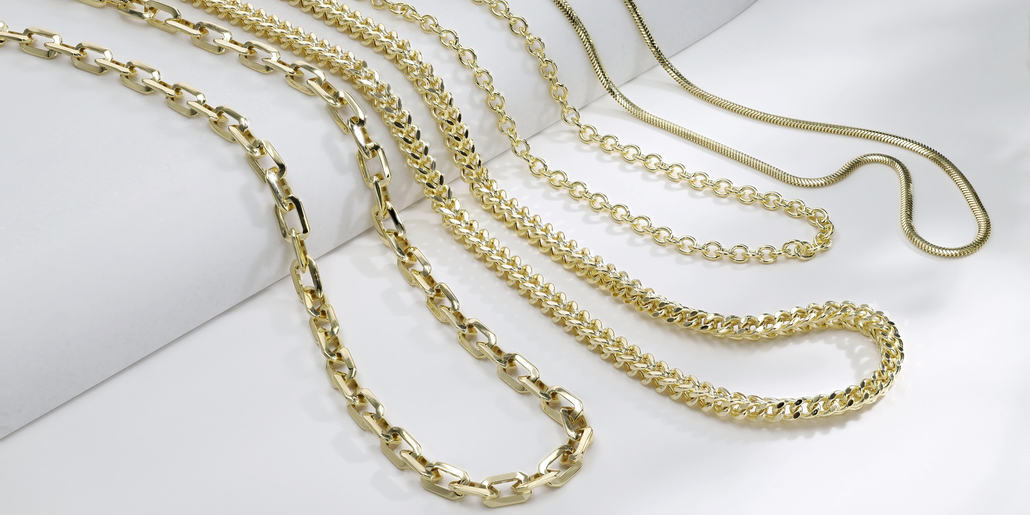
Gold is gold… right? Not exactly. Durability, color, weight and even how your stones sit all change with each karat. Keep reading to explore the differences between 14k and 18k gold.
14k vs 18k Gold Content
When you see 14k or 18k gold, the “k” is more than a letter—it tells you how much pure gold is in the piece. Pure gold is naturally soft, so it’s mixed with other metals to create jewelry that’s strong enough for everyday wear. A higher karat means a higher percentage of gold, which affects everything from color and durability to weight and price, making gold content an important factor when choosing between 14k and 18k gold.
What Does 14k Gold Mean?
14k gold is made of 58.3% pure gold, mixed with other metals like silver, copper or zinc.
What Does 18k Gold Mean?
18k gold contains 75% pure gold, with the remaining 25% made up of those same alloy metals.
Those added metals affect how the jewelry looks, feels and wears over time.
14k vs 18k Gold Color
If you put 14k and 18k gold side by side, you’ll often notice the difference right away.
- 18k gold has a richer, warmer yellow tone because of its higher gold content.
- 14k gold appears slightly lighter and more muted, which some people actually prefer, especially for everyday wear.
Does 14k Gold Fade?
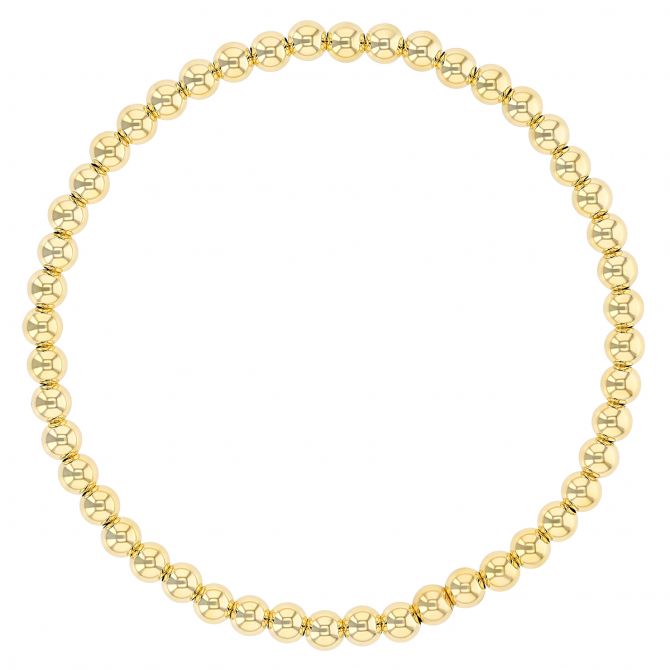
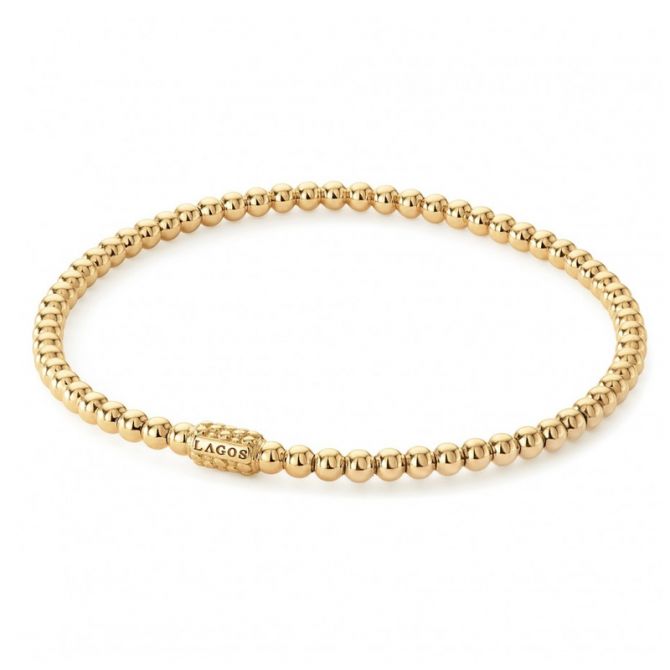
14k gold is made to last, so it won’t “fade” like plated jewelry can, but over time it may develop a soft patina or tiny scratches from everyday wear. Regular cleaning can keep it looking bright and shiny for years.
14k vs 18k Gold Durability
This is where lifestyle really comes into play. If you’re planning to wear your jewelry often, longevity matters.
- 14k gold is more durable because it contains a higher percentage of alloy metals. That makes it more resistant to scratches and dents, which is why it’s a popular choice for engagement rings and everyday jewelry.
- 18k gold, while still suitable for daily wear, is softer due to its higher gold content. It can show signs of wear more easily over time, especially on rings or bracelets that see a lot of activity, but many people appreciate the gentle patina it develops with age.
If you’re hands-on or don’t want to think twice about wearing your jewelry every day, 14k might be the better fit.
Stone Security and Setting Strength
This is especially important for diamond and precious gemstone rings.
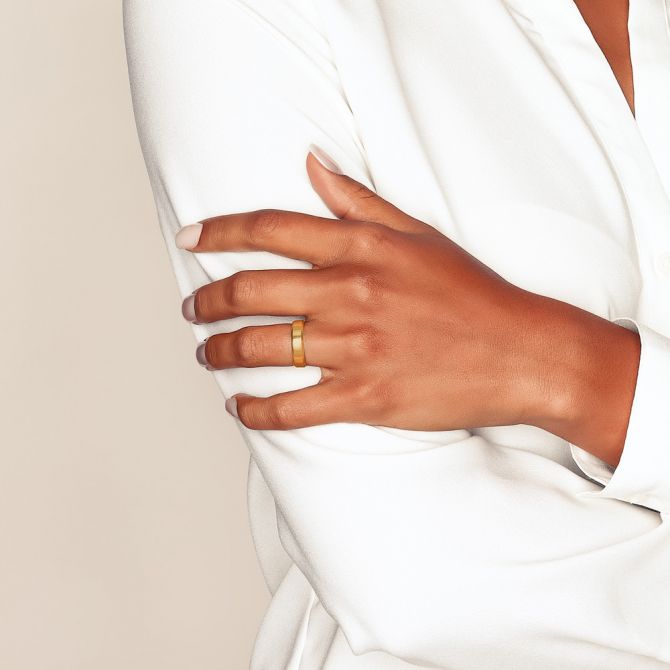
- 14k gold is stronger, which allows prongs and settings to better hold stones in place over time. This makes it a favorite for engagement rings, pavé designs and styles with delicate details.
- Though still dependable, 18k gold is a softer metal. Jewelers often compensate by designing slightly thicker prongs or settings to protect the stone.
If maximum durability and peace of mind are priorities, 14k gold often has the edge.
Weight and Feel
This is one of those details you might not think about until you try both on.
- 18k gold is slightly heavier and feels more substantial on the hand. Some customers love that added weight because it feels luxurious and special.
- 14k gold is a bit lighter and more effortless to wear, making it comfortable for all-day wear.
Comfort and Sensitivity
Because it contains more pure gold, 18k gold is often a good option for people with sensitive skin or metal allergies. The higher gold content means fewer alloy metals that could potentially cause irritation.
That said, most people wear 14k gold comfortably with no issues at all; it’s been a jewelry staple for generations for a reason.
14k vs 18k Gold Price
Not surprisingly, higher gold content means a higher price
- 18k gold costs more due to its purity and weight.
- 14k gold is a more accessible option while still offering the look and longevity most people want.
Whether you go for the everyday strength of 14k or the warm, indulgent glow of 18k, knowing the differences and how each karat wears, feels and shines helps you choose jewelry you’ll love wearing for years to come.