

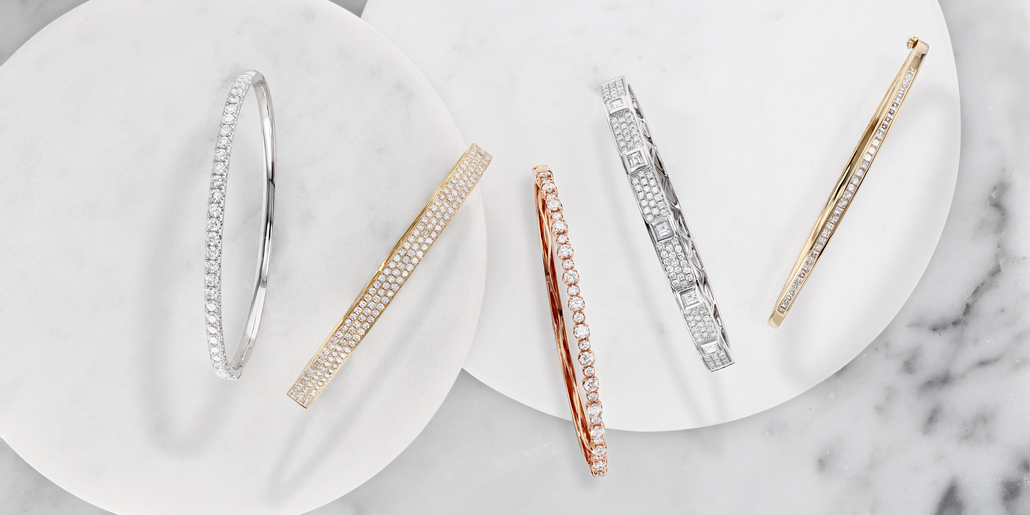
A bracelet should feel like it was made just for you, not like it’s working against you. In this guide, we’ll walk you through everything you need to know to measure, choose and style bracelets that feel as good as they look.
Why Bracelet Sizing Matters
A bracelet should never distract you from your day. If it’s too tight, it can pinch or restrict movement. If it’s too loose, it may slide off or get caught. The perfect size feels effortless, looks better on your wrist and lets you enjoy your jewelry without constantly adjusting it. When it fits just right, you hardly notice it, except for all the compliments.
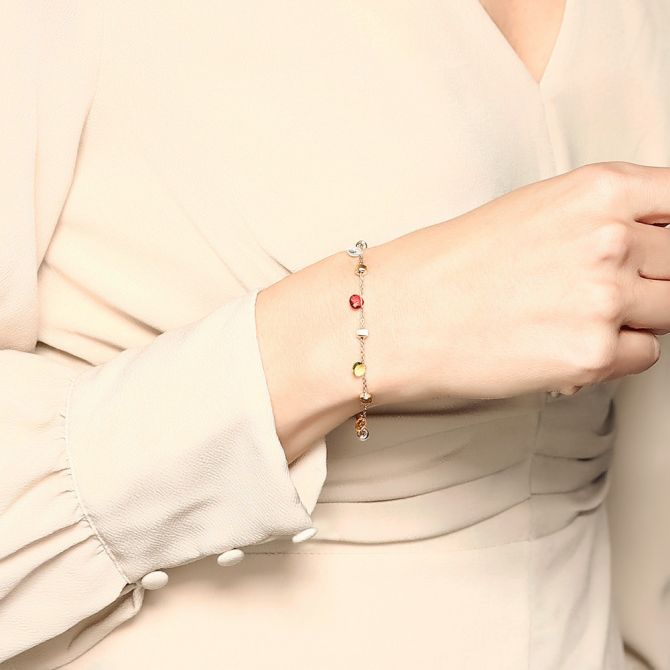
How to Measure Bracelet Size
The first step in finding your ideal bracelet is measuring your wrist. Here’s a simple method:
- Grab a flexible measuring tape, or use a strip of paper or string if that’s what you have on hand.
- Wrap it comfortably around your wrist, just above the wrist bone where your bracelet would naturally sit.
- Then note the measurement. If you used paper or string, simply mark where it overlaps and measure it with a ruler.
This measurement gives you your wrist circumference, which is the foundation for selecting your bracelet size.
Standard Bracelet Sizing
Most women’s bracelets fall into a few standard size ranges, making it easier to find the right fit. Sizes typically range from small to extra large, depending on wrist size and personal preference. If you’re not sure where to start, the average women’s bracelet size is about 6.5 to 7 inches, which works well for many wrists.
- Small: 6–6.5 inches (15–16.5 cm)
- Medium: 6.5–7 inches (16.5–18 cm)
- Large: 7–7.5 inches (18–19 cm)
- Extra Large: 7.5–8 inches (19–20 cm)
Just remember, fit is personal. Some people love a bracelet that sits close to the wrist, while others prefer a bit of movement and drape.
Bracelet Styles and Fit Considerations
Not all bracelets fit the same, and different styles can feel very different on the wrist. Here’s what to keep in mind when choosing your size:
- Chain bracelets: Often adjustable and easy to customize. A slightly looser fit allows the bracelet to drape naturally on the wrist.
- Bangle bracelets: Rigid and designed to slip over your hand, though hinged designs offer an easier fit. Be sure to measure the widest part of your hand so they slide on comfortably.
- Cuff bracelets: Open-ended and flexible. They can be gently adjusted for comfort, but should sit securely without pinching.
- Charm bracelets: Typically worn a bit larger to accommodate room for charms without feeling crowded on the wrist.
- Tennis bracelets: Designed to sit close to the wrist for a classic look. Our tennis bracelet size guide can help you find the perfect fit.
Each style affects how snug or relaxed your bracelet should feel, so it’s worth considering the design before choosing your size.
Tips for the Best Bracelet Size
- For most bracelets, adding about ½ inch (1.3 cm) to your wrist measurement helps create a comfortable fit.
- Think about how you’ll wear your bracelet day to day, since a slightly snugger fit can help prevent slipping if you’re active.
- If you plan to layer or stack multiple bracelets, choosing a slightly larger size can make them more comfortable to wear together.
- Adjustable designs are always a good option, since bracelets with clasps or extender chains let you fine-tune the fit.
If you’re buying a bracelet in store, always try it on. How it feels when you move your wrist, type or go about your day can make a big difference. Online shoppers can use the measurements and tips above to find the right fit, and most of our jewelry comes with a 90-day return policy in case you need to swap sizes.