

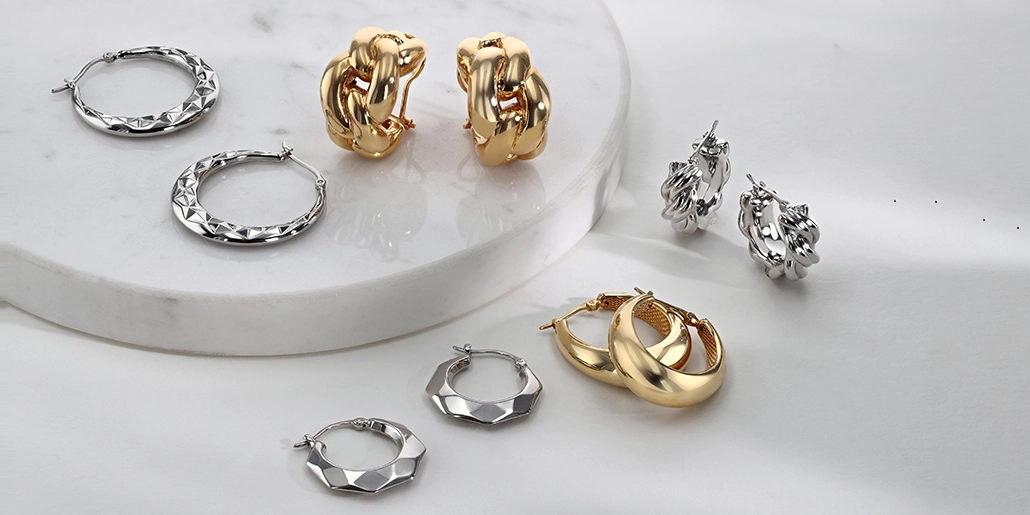
Jewelry is often part of life’s most meaningful moments. Whether it’s a sterling silver favorite, a gold-plated statement piece or a treasured gold heirloom, thoughtful care helps preserve its beauty for years to come.
While some precious metals are naturally more resistant to discoloration than others, every piece of jewelry benefits from a little extra attention. Understanding what causes tarnish and how to help prevent it is one of the simplest ways to keep your collection looking its best.
What Causes Jewelry to Tarnish?
Tarnish is a thin layer that forms on the surface of certain metals when they react with elements in their environment. Air, moisture, skin oils and chemicals found in everyday products such as perfume, lotion and household cleaners can all contribute to the process.
Humidity can also accelerate oxidation, which is why jewelry stored in a damp bathroom may lose its luster more quickly than pieces kept in a cool, dry location.
Fortunately, tarnish is often a surface-level change rather than permanent damage. With proper care and cleaning, many pieces can be restored to their original brilliance.
Understanding Tarnish by Metal Type
Not all jewelry metals respond to their environment in the same way. Knowing what your jewelry is made of can help you choose the best care routine and enjoy your favorite pieces for years to come.
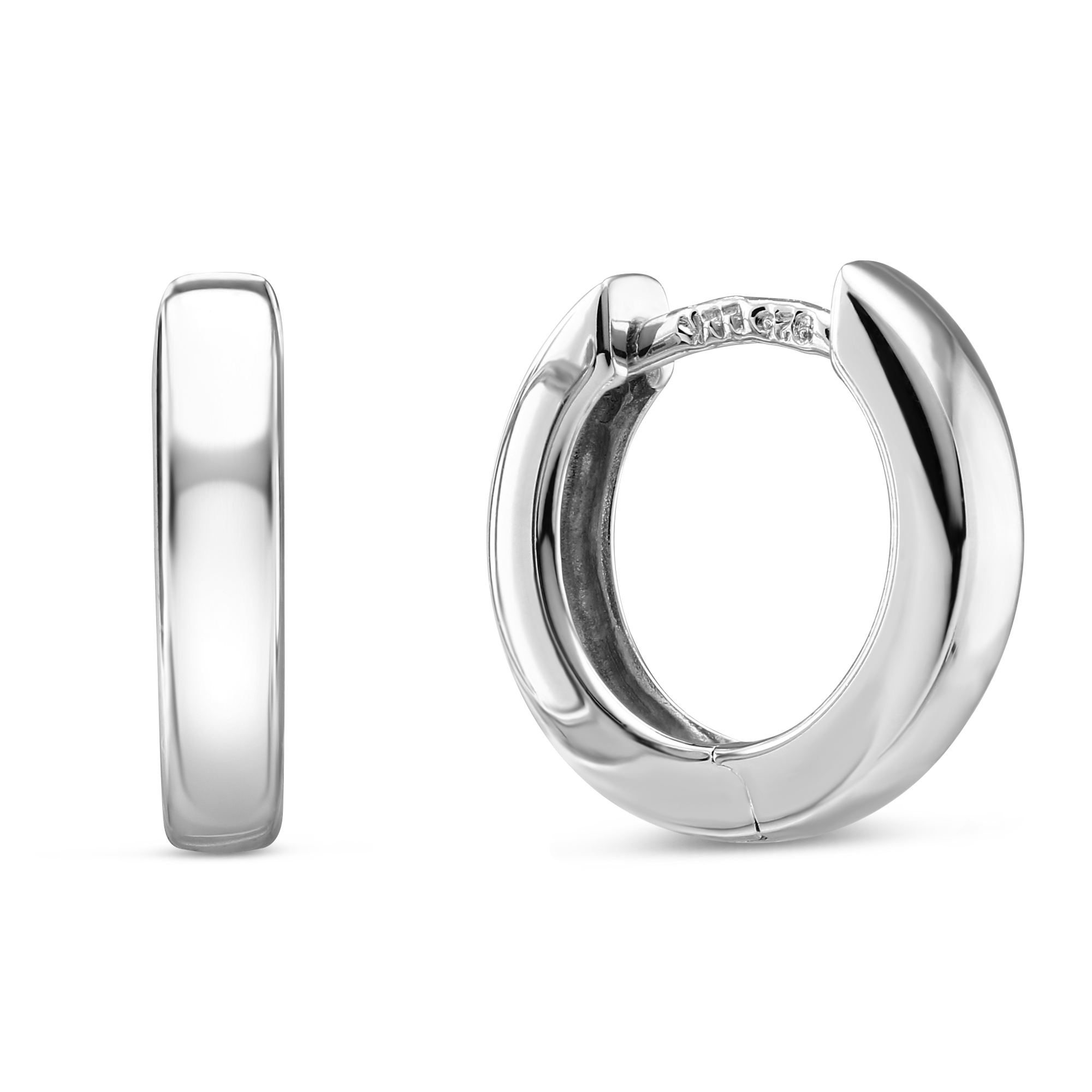
Sterling Silver
Sterling silver is beloved for its bright, luminous finish, but it is also one of the metals most susceptible to tarnishing. Sterling silver contains 92.5% silver, combined with other metals that provide strength and durability. Over time, those additional metals can react with oxygen and sulfur in the air, causing silver to gradually darken.
Regular wear can actually help keep sterling silver looking bright, as the natural friction of movement can reduce surface buildup. When silver begins to lose its shine, a soft jewelry polishing cloth can often restore its appearance.
For more significant discoloration, professional cleaning may be the best option, particularly for pieces with gemstones, engraving or intricate details.
Gold-Plated Jewelry
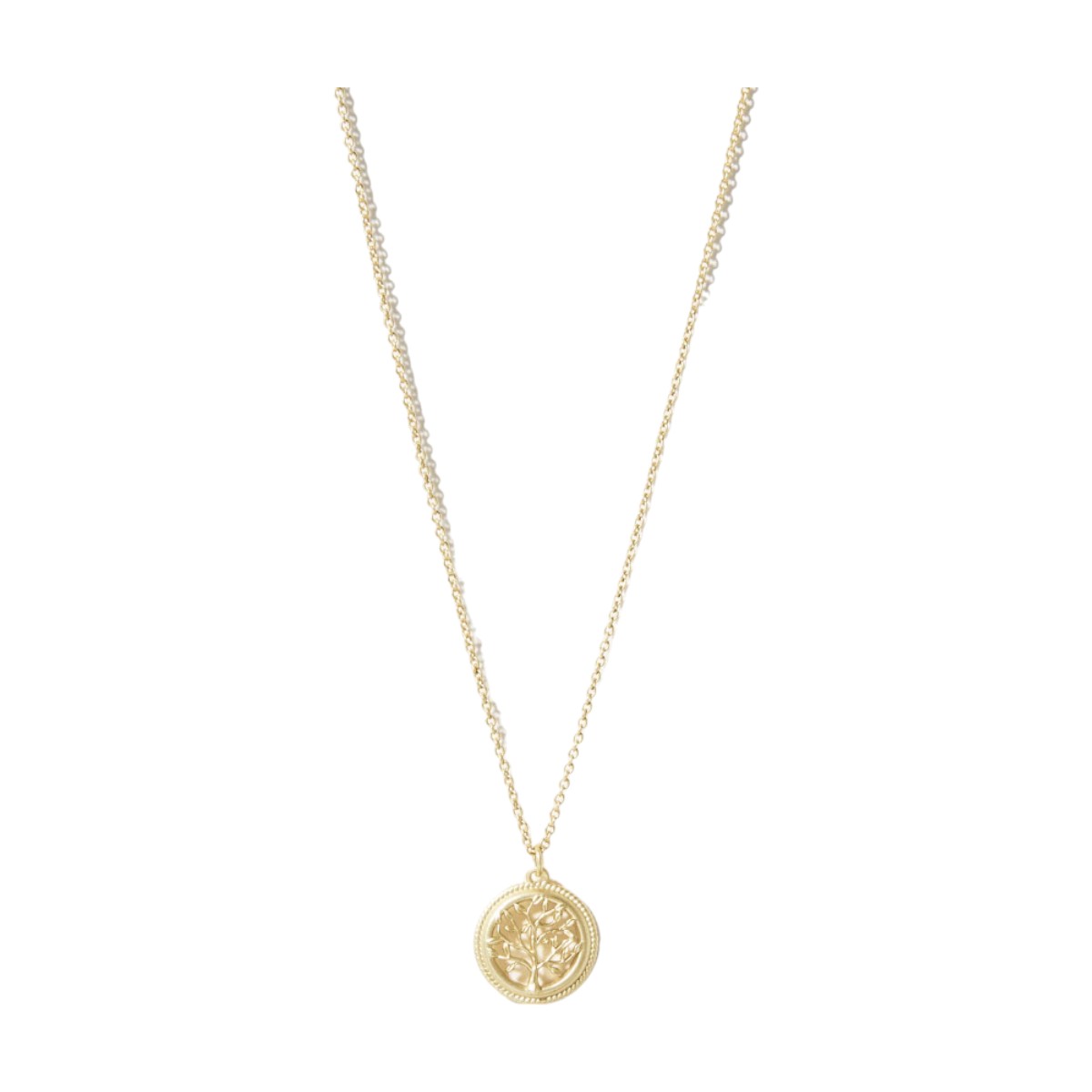
Gold-plated jewelry features a thin layer of gold applied over another metal. While beautiful and versatile, gold-plated pieces require a bit more care than solid gold jewelry.
Over time, exposure to water, perspiration, lotions, fragrances and cleaning products can gradually wear down the gold layer. Once the underlying metal is exposed, discoloration may occur.
Preserving the beauty of gold-plated jewelry begins with a few mindful habits. Remove pieces before showering, swimming, exercising or applying beauty products. After wearing, gently wipe them with a soft, dry cloth before storing them.
With thoughtful care, you can help maintain that beautiful golden finish and extend the life of your pieces.
Gold
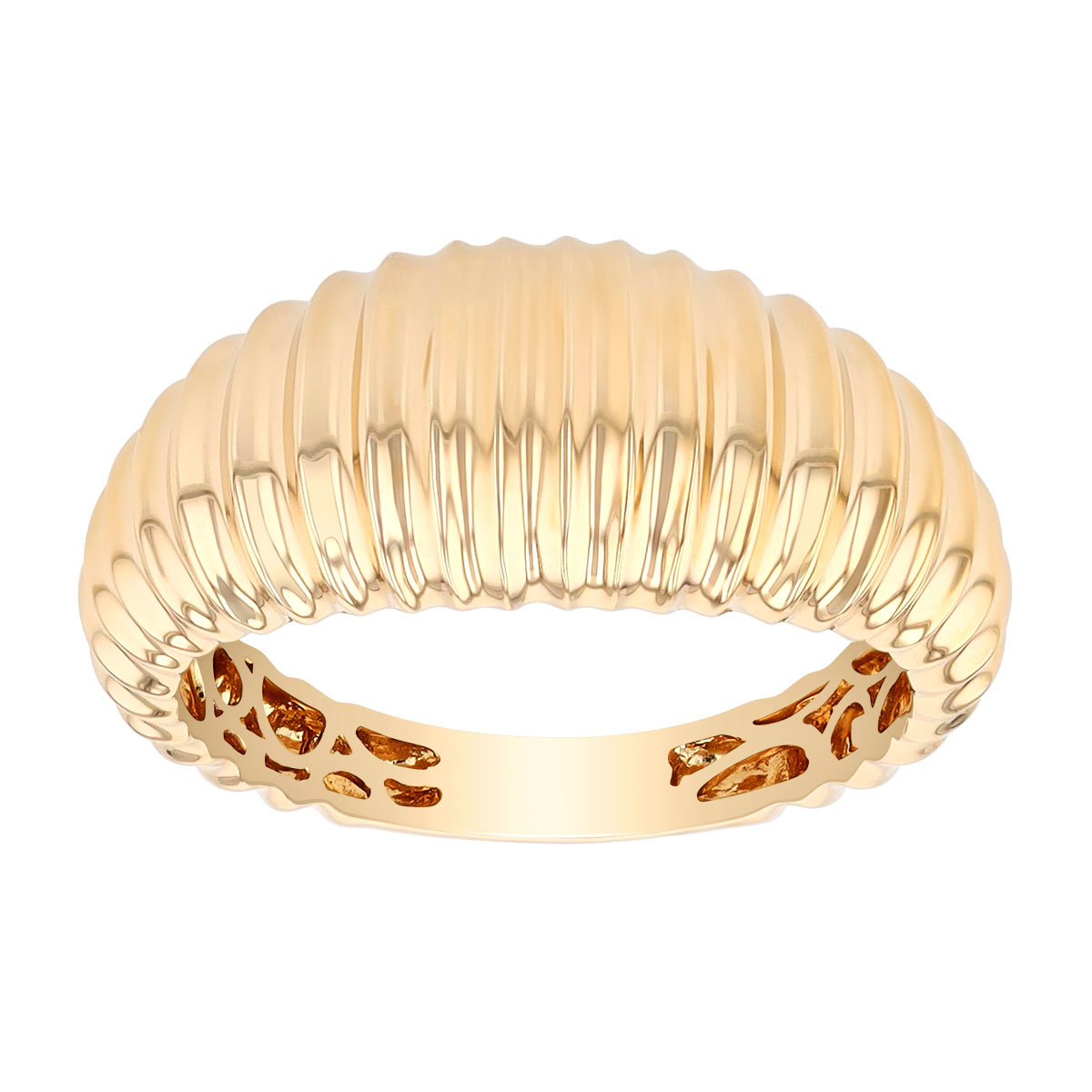
Gold is naturally resistant to tarnishing, but the karat of your jewelry can make a difference. Pure 24K gold is highly resistant to oxidation, while 14K and 18K gold contain alloy metals that may react to environmental conditions over time.
That doesn’t mean your gold jewelry is likely to lose its beauty. In fact, gold remains one of the most durable and enduring metals used in fine jewelry. Lower-karat gold may simply experience subtle changes in appearance as alloy metals interact with air, moisture and chemicals.
Gentle, routine cleaning can help maintain gold’s natural radiance and keep your favorite pieces looking polished and luminous.
How Often Should You Clean Your Jewelry?
Regular jewelry cleaning and care is one of the best ways to preserve your jewelry’s beauty.
For pieces worn frequently, a gentle wipe with a soft cloth after each wear can help remove oils, residue and everyday buildup. Fine jewelry should also be cleaned periodically using methods appropriate for the specific metal and gemstones.
Because some gemstones and settings require specialized care, it’s always best to consult a jewelry professional before using cleaning products or solutions that could affect delicate materials.
Professional cleanings and inspections can also help identify loose stones, worn prongs or other issues before they become larger concerns.
How to Help Prevent Jewelry From Tarnishing
A few simple habits can make a meaningful difference in the appearance and longevity of your jewelry.
- Make Jewelry the Last Thing You Put On: A helpful rule of thumb is “last on, first off.” Apply perfume, hairspray, lotion and cosmetics before putting on your jewelry. This minimizes direct contact with products that may contribute to buildup or discoloration. At the end of the day, remove your jewelry before washing your face, showering or beginning your evening routine.
- Keep Jewelry Away From Water and Chemicals: While occasional contact with water isn’t harmful to every type of jewelry, repeated exposure can accelerate wear, particularly when chlorine, saltwater and household chemicals are involved. Remove jewelry before swimming, exercising or performing household chores. Cleaning products can be especially harsh on metals, finishes and certain gemstones.
- Give Pieces a Quick Wipe After Wearing: Before storing your jewelry, gently wipe it with a clean, soft cloth. This simple habit helps remove traces of perspiration, oils and everyday residue before they have an opportunity to accumulate. For frequently worn pieces, a quick wipe can go a long way toward maintaining their brilliance.
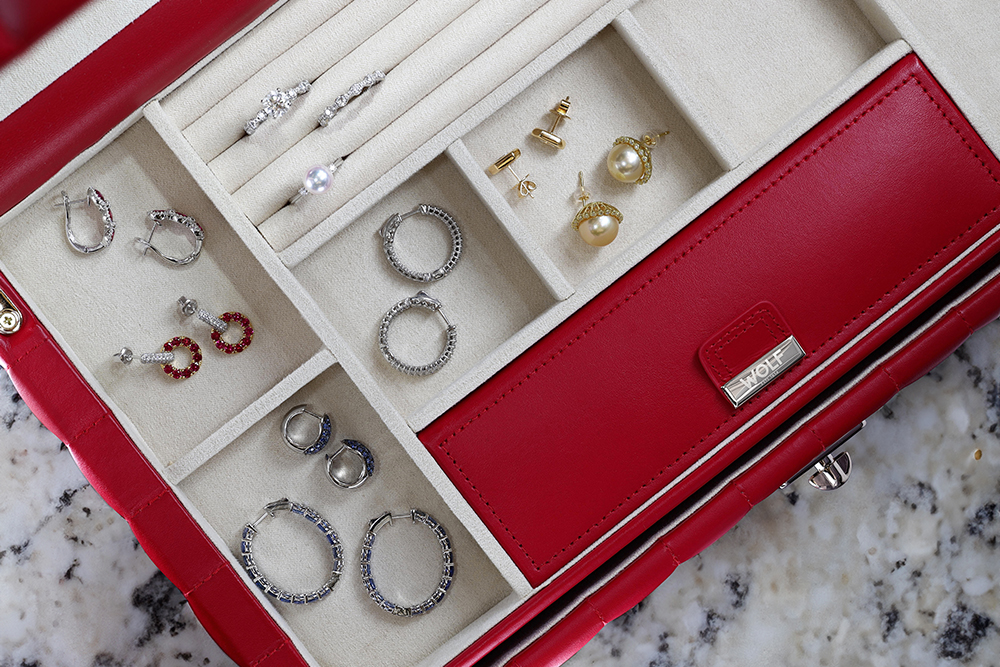
- Store Jewelry Properly: Proper jewelry storage is one of the simplest and most effective ways to help prevent tarnish. Whenever possible, store jewelry in a cool, dry environment away from direct sunlight and humidity. Avoid storing jewelry in bathrooms, where frequent humidity fluctuations can accelerate discoloration. For sterling silver, airtight bags or anti-tarnish pouches offer an extra layer of protection against oxidation. Keep pieces separated and fasten necklace clasps before storing to help prevent scratches and tangles.
A Little Care Goes a Long Way
Tarnish is a natural part of how certain metals respond to their environment, but it doesn’t have to diminish the beauty of your jewelry. By understanding your pieces, limiting unnecessary exposure to moisture and chemicals, and storing them thoughtfully between wears, you can help preserve their brilliance for years to come.
When a favorite piece needs extra attention, professional cleaning and inspection can help restore its shine while ensuring it’s ready for many more occasions ahead.
Fine jewelry is meant to be worn, celebrated and woven into the moments that matter most. With thoughtful care, the pieces you love today can continue to shine through life’s milestones, celebrations and everyday occasions for years to come.